
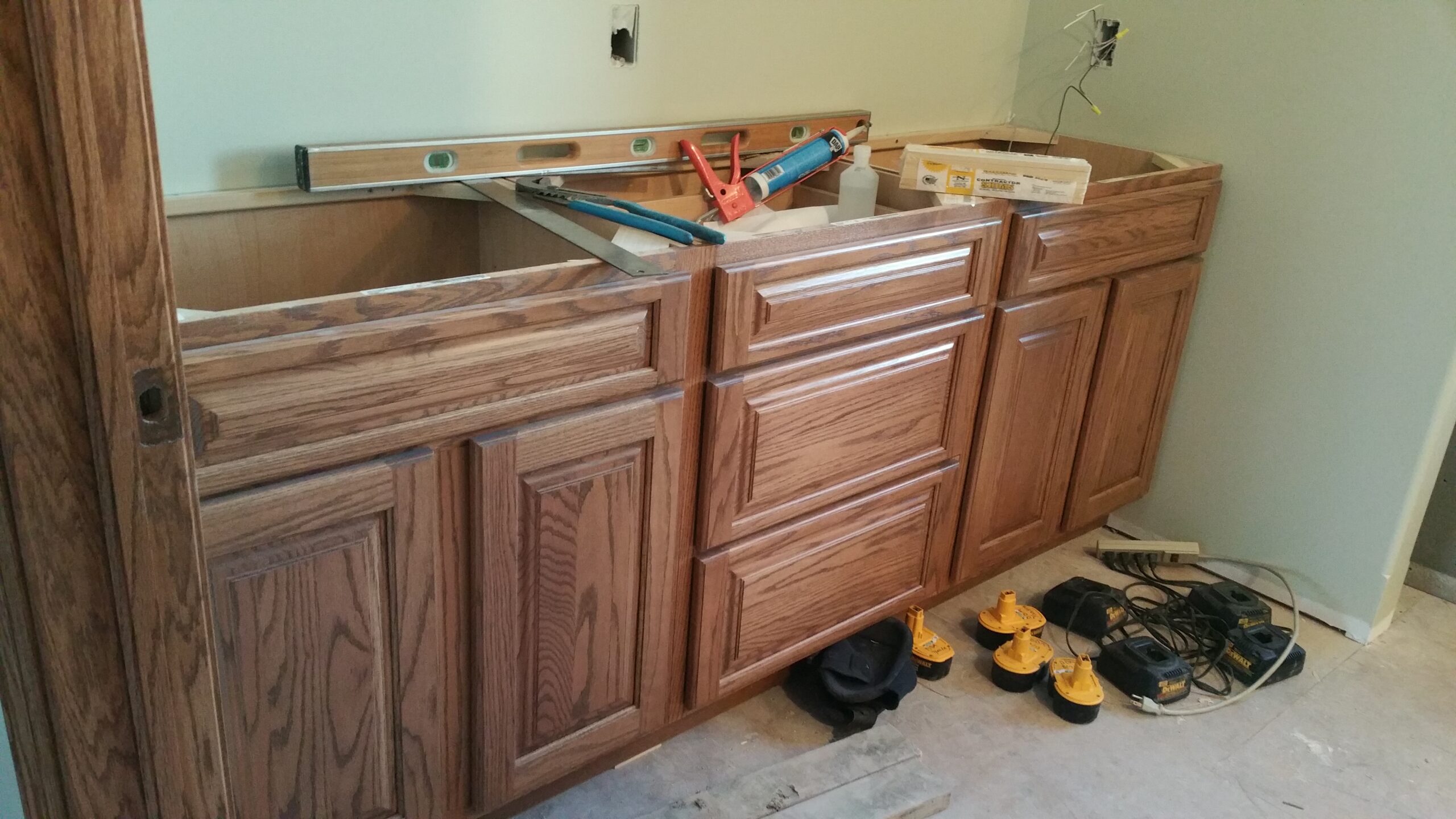
I’ve been doing this for over 30 years, in 11 states, and the mistakes I watch homeowners make are almost always the same seven. Not because people are careless — because nobody warned them, and by the time they figure it out, the money’s already spent.
Mistake One: Ordering Before the Layout Is Final
Someone falls in love with a door style, places the order, and then changes the layout after — moving an island, adding a run of uppers, shifting a sink base. Every change after the order is placed costs more than the same change would have cost before, and some changes simply can’t happen once cabinets are built to a spec.
Mistake Two: Choosing a Door Style Before Checking the Lead Time
I covered this in Chapter 4, but it bears repeating here because it’s this expensive: a custom door style that takes 35 to 45 business days can wreck a schedule that was built around a 10-day expectation. Ask the lead time before you fall in love with the door.
Mistake Three: Skipping the Physical Sample
A photo on a screen and a physical door in your actual kitchen light are two different experiences. I’ve seen people order an entire kitchen based on a photo, and the color reads completely differently once it’s hanging on their wall.
Mistake Four: Underestimating What Storage They Actually Need
People add drawers and pull-outs because they look good in a showroom, not because they match how that household actually cooks and stores things. We’ll cover this in depth in Chapter 9, but the short version: form should follow how you actually live, not how a display kitchen is styled.
Mistake Five: Not Asking Who Assembles and Installs
A cabinet can be built perfectly and still fail if whoever puts it together doesn’t square it, level it, and hang it correctly. This is especially true for RTA lines, which I covered in Chapter 3 — the cabinet isn’t the whole story, the installer is the other half.
Mistake Six: Assuming All “Solid Wood” Claims Mean the Same Thing
Face frame versus frameless, plywood box versus particleboard box, real dovetail drawers versus stapled — these differences exist across every price point, and the marketing language doesn’t always make the difference obvious. Ask specifically what the box is made of, not just what the door is made of.
Mistake Seven: Treating the Quote as the Final Number
Freight, delivery restrictions, and site-specific delivery challenges (elevator access, remote areas, tight staging) can add cost that isn’t in the base cabinet quote. Ask what could change the number before you’re locked in, not after. None of these seven mistakes are expensive because the homeowner did something foolish. They’re expensive because nobody told them what to ask before they needed to ask it. That’s the whole point of this manual.